Colombia
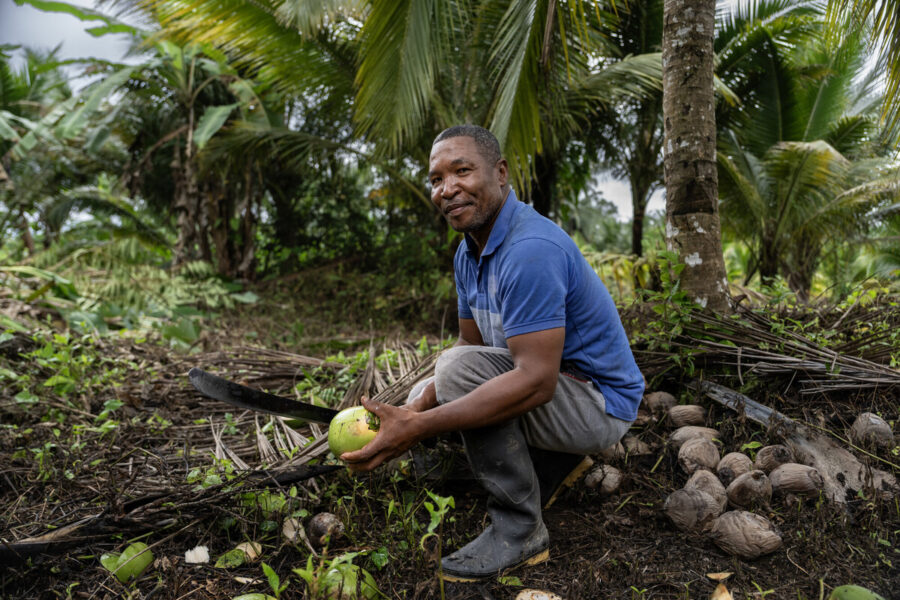
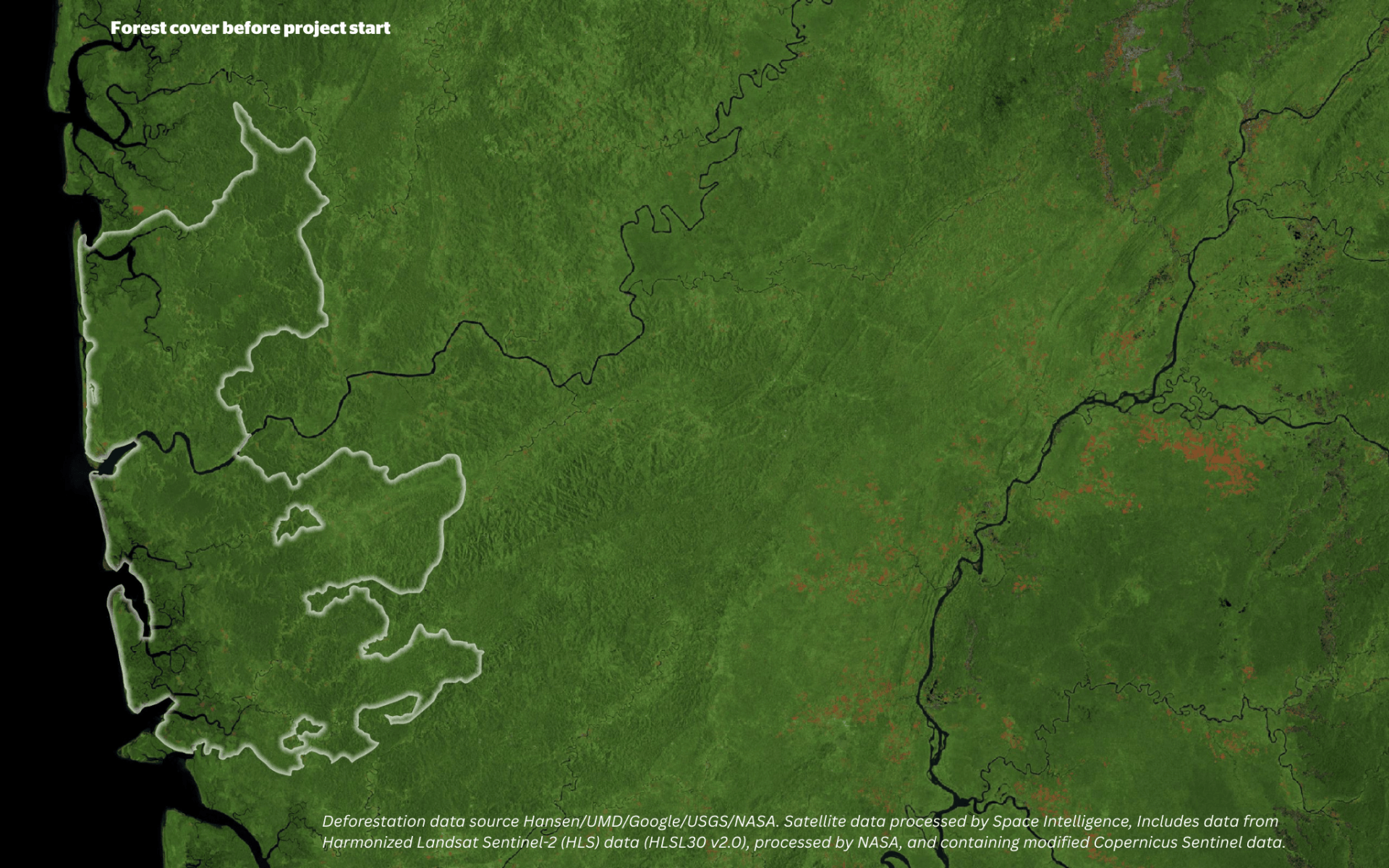
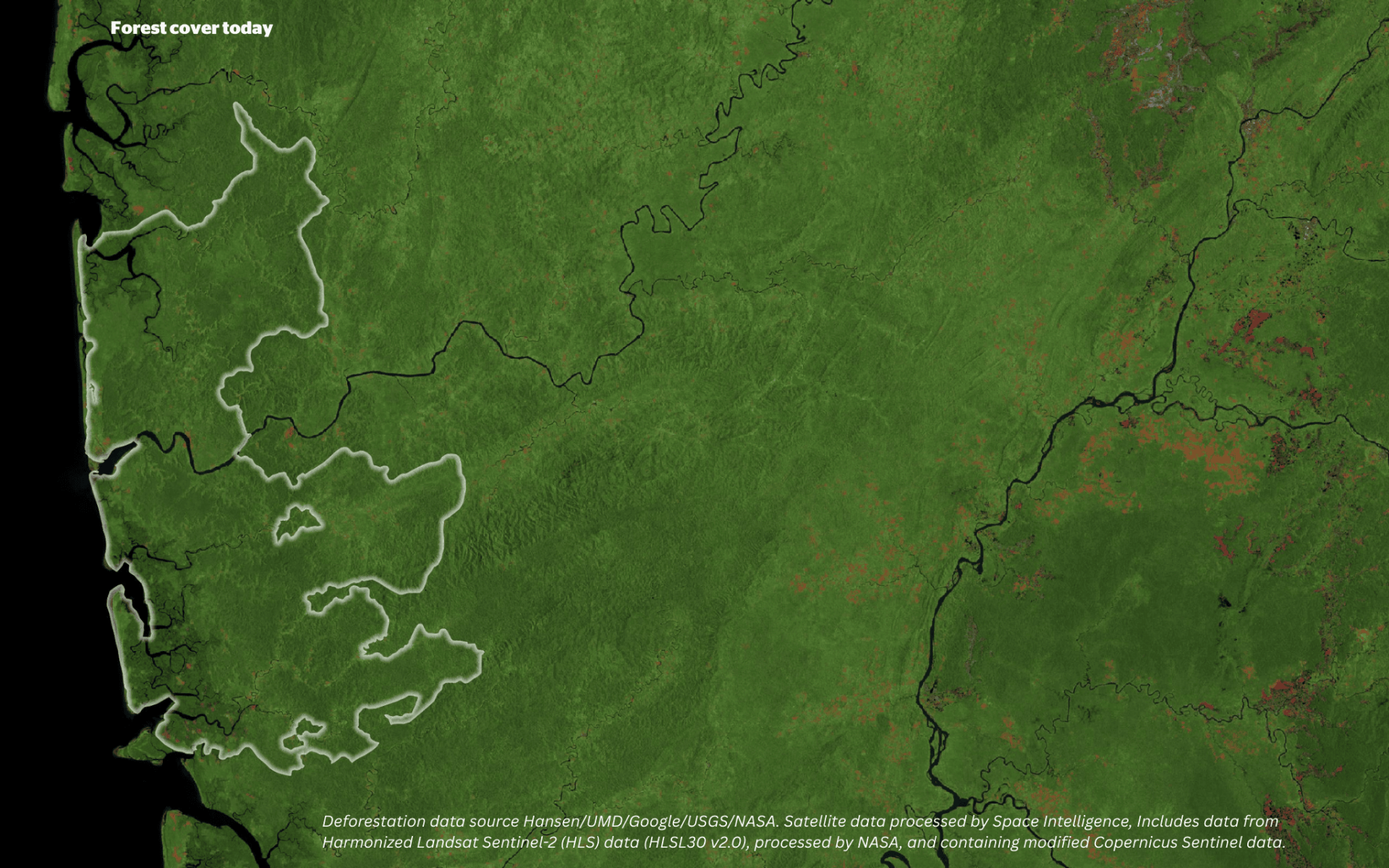
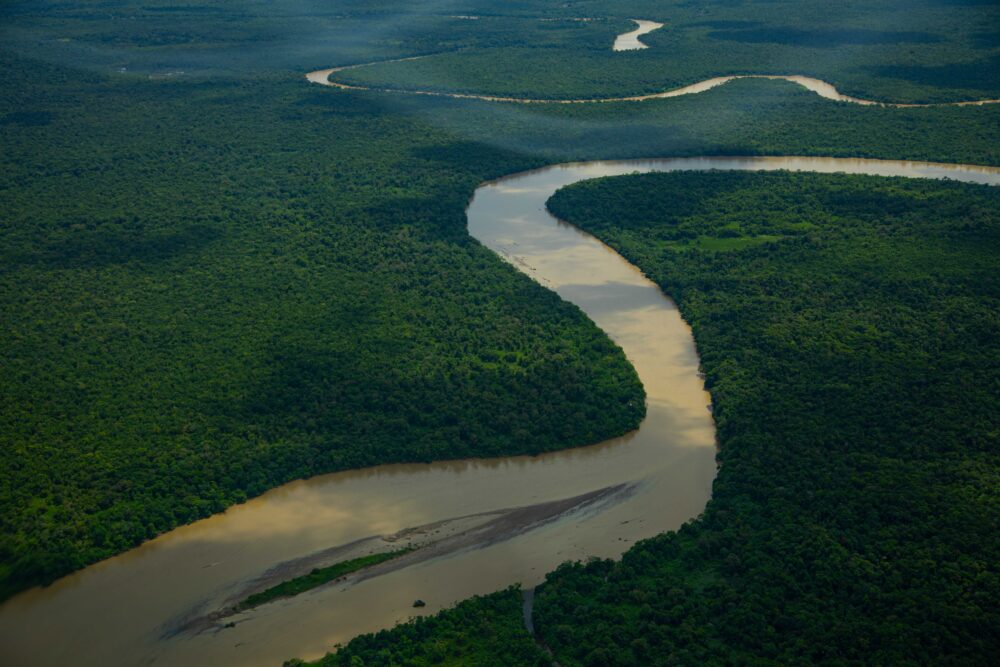
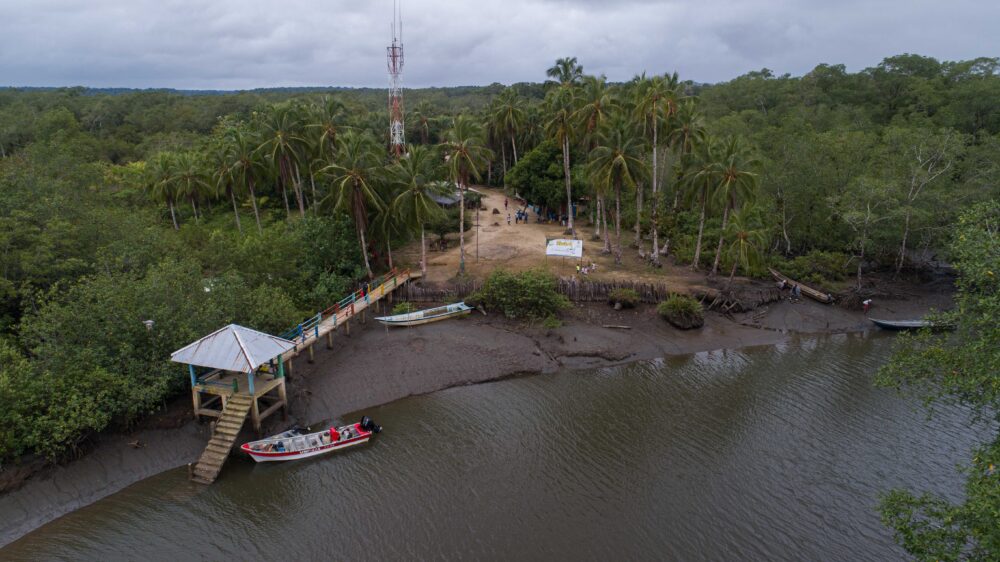
Acapa Bajo-Mira y Fronterra REDD+ Project
“Forest, water, governance and participation define our territory, our home.”


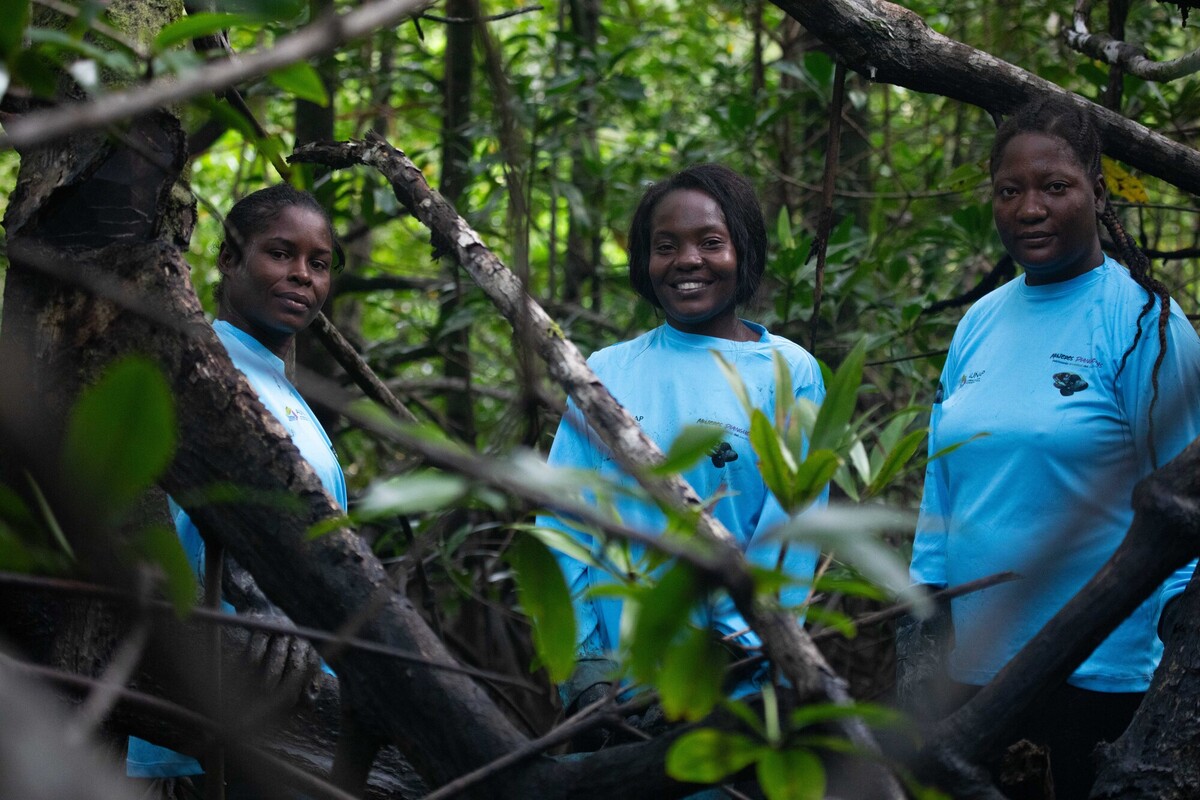
“Resources that flow directly into the heart of the communities.”

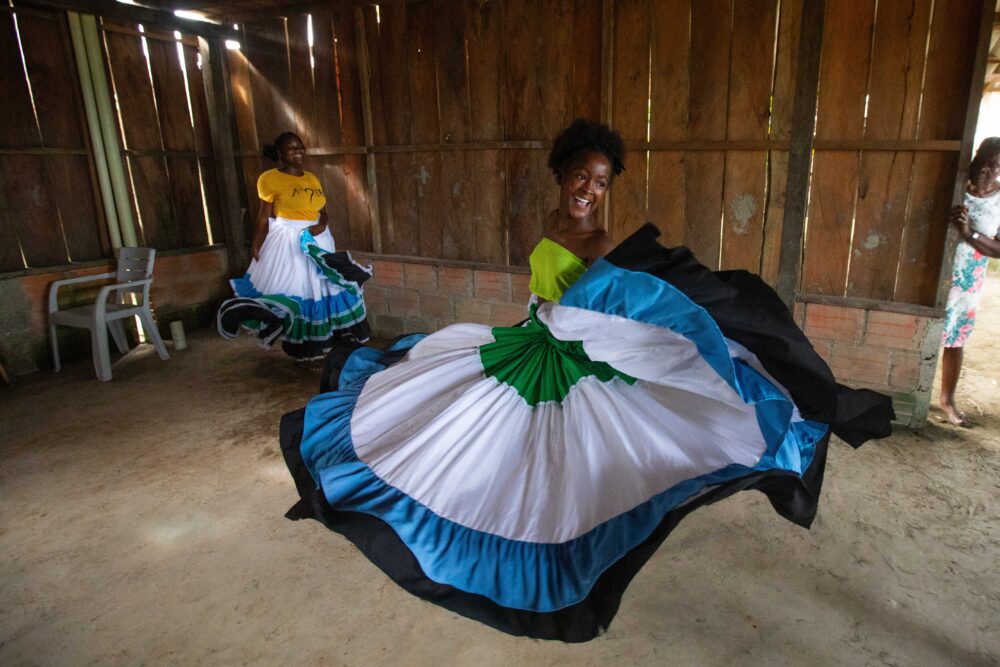
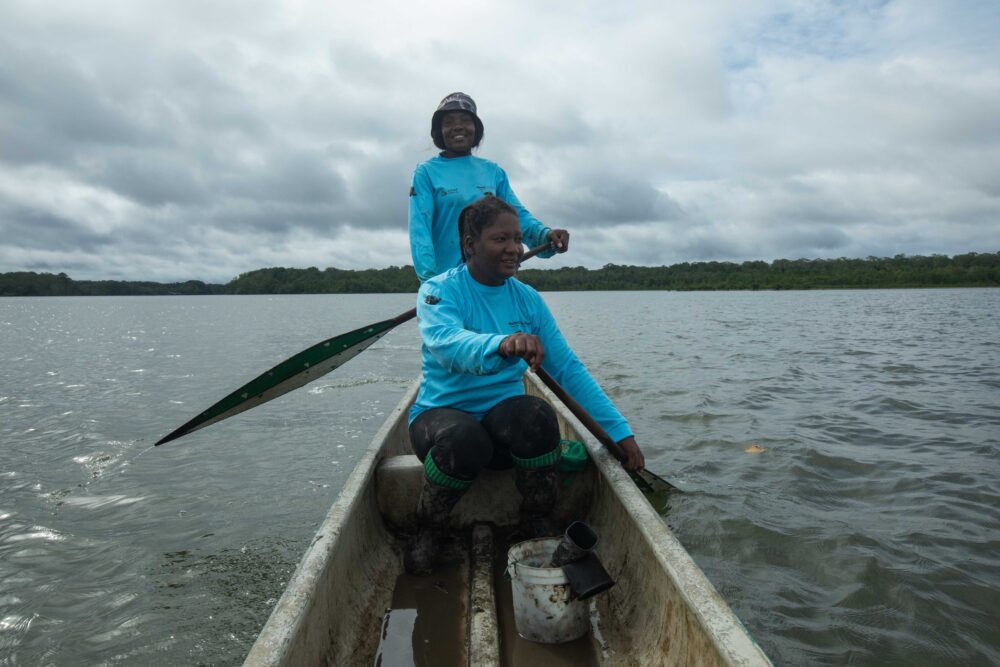
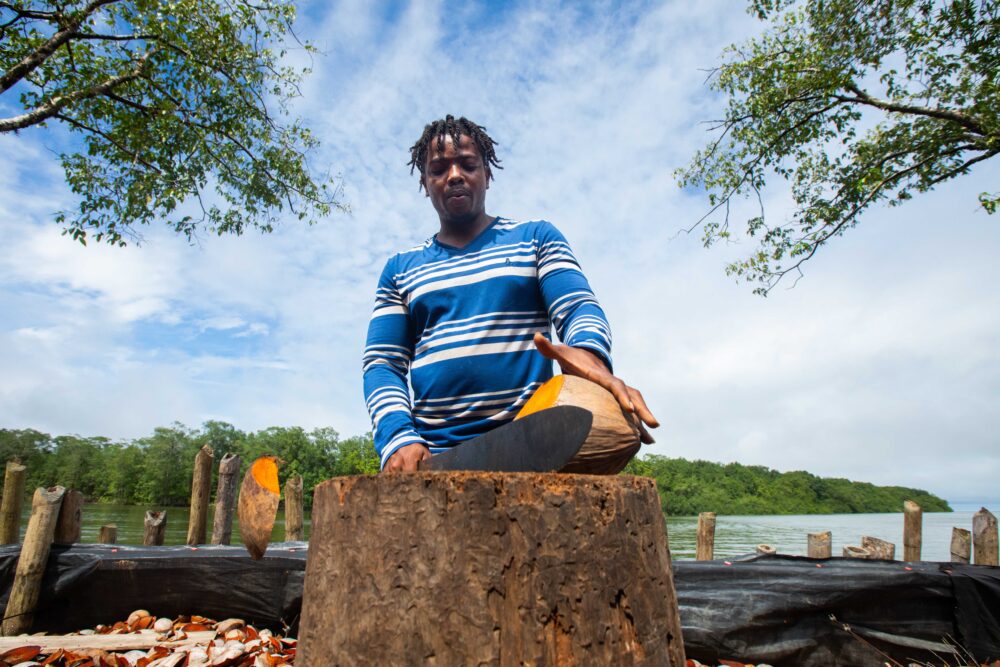
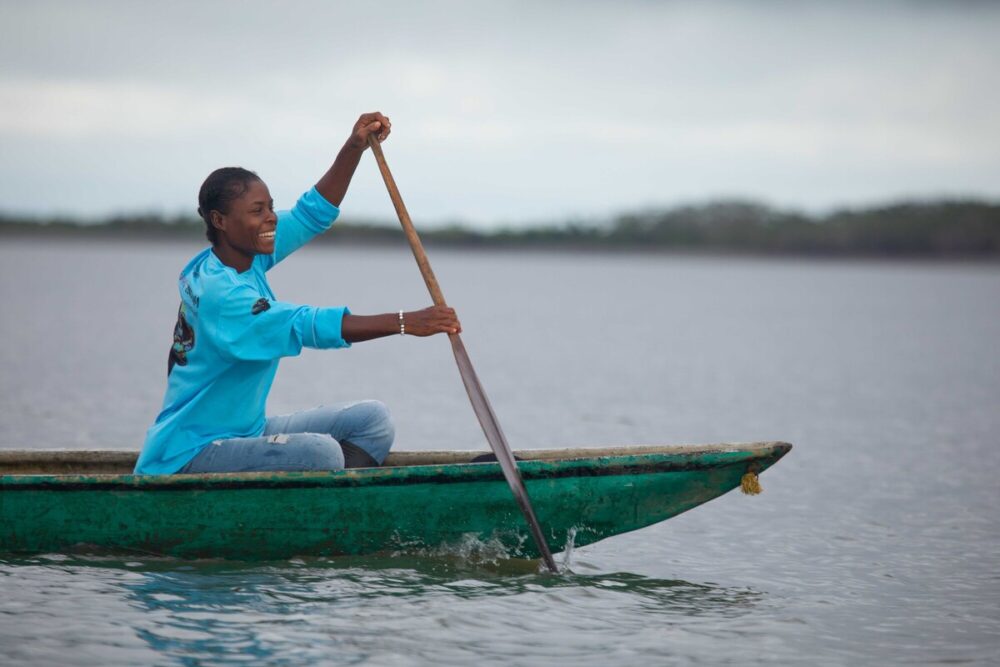
Women in Sivirú are leading sustainable mangrove harvesting initiatives, protecting the ecosystem while earning an income for their families.
Women’s mangrove harvesters
Their piangua-gathering project shows how community-driven resource use can support both livelihoods and conservation.

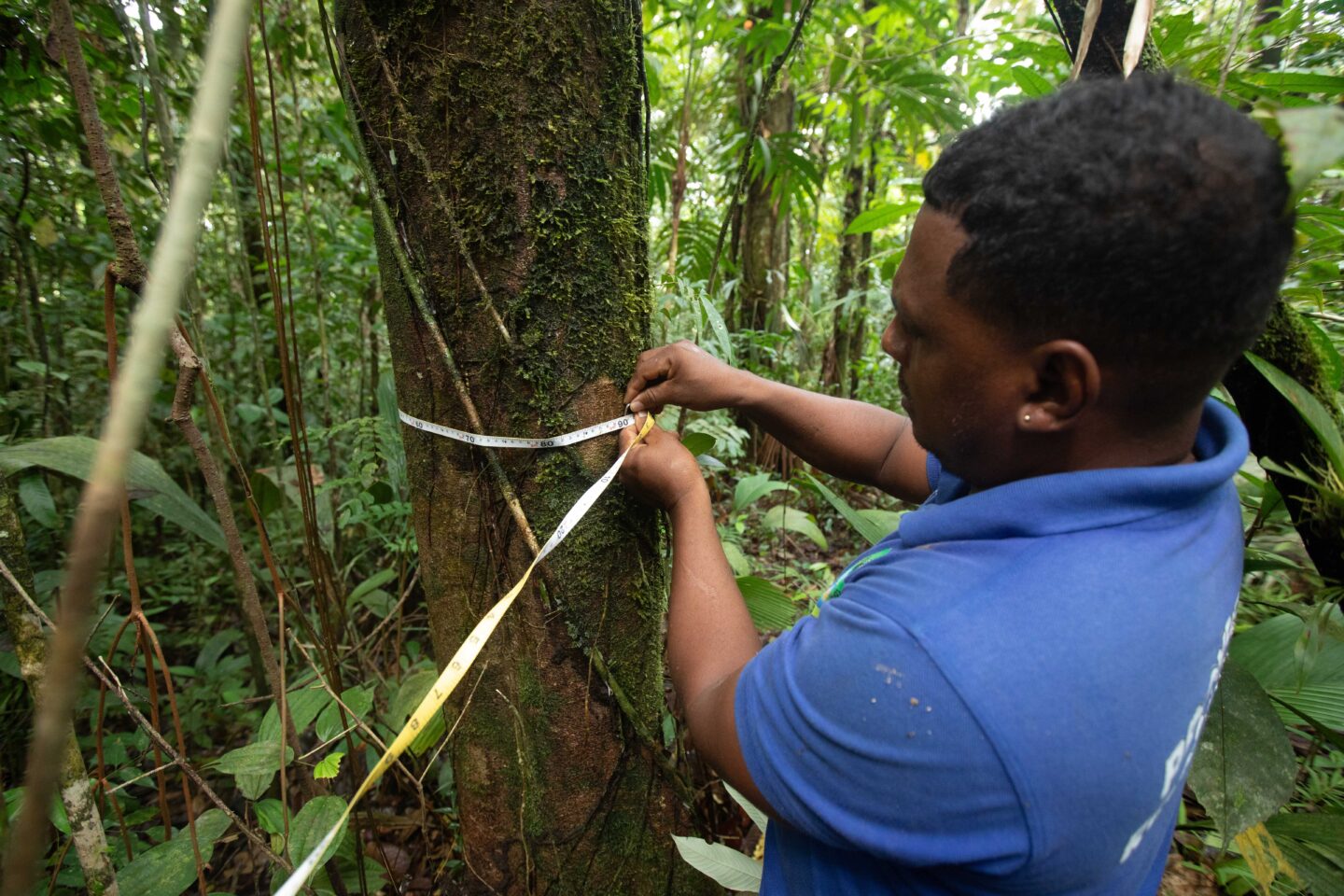
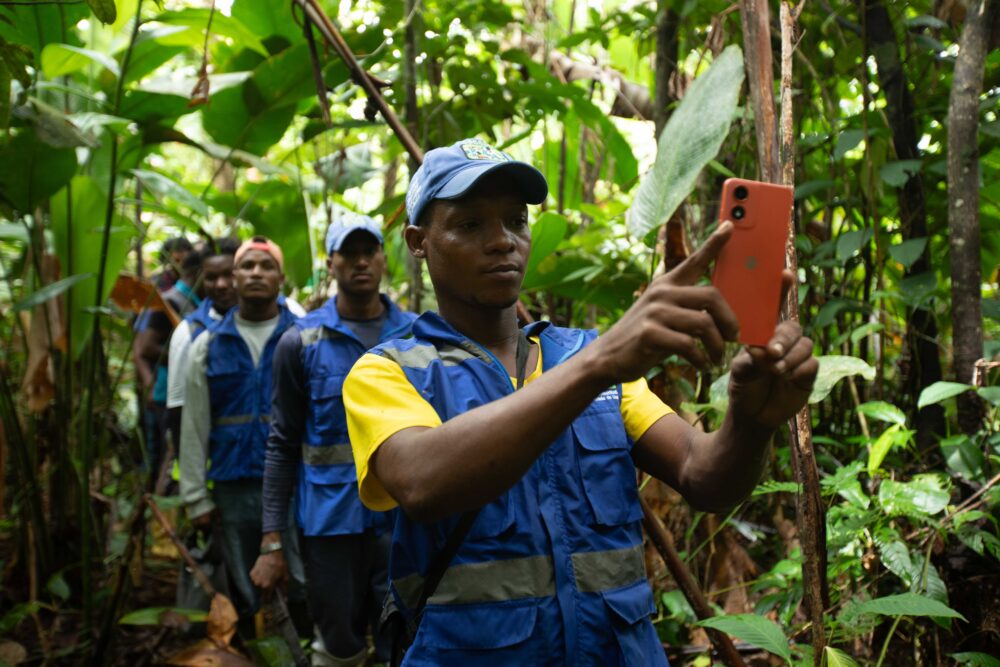
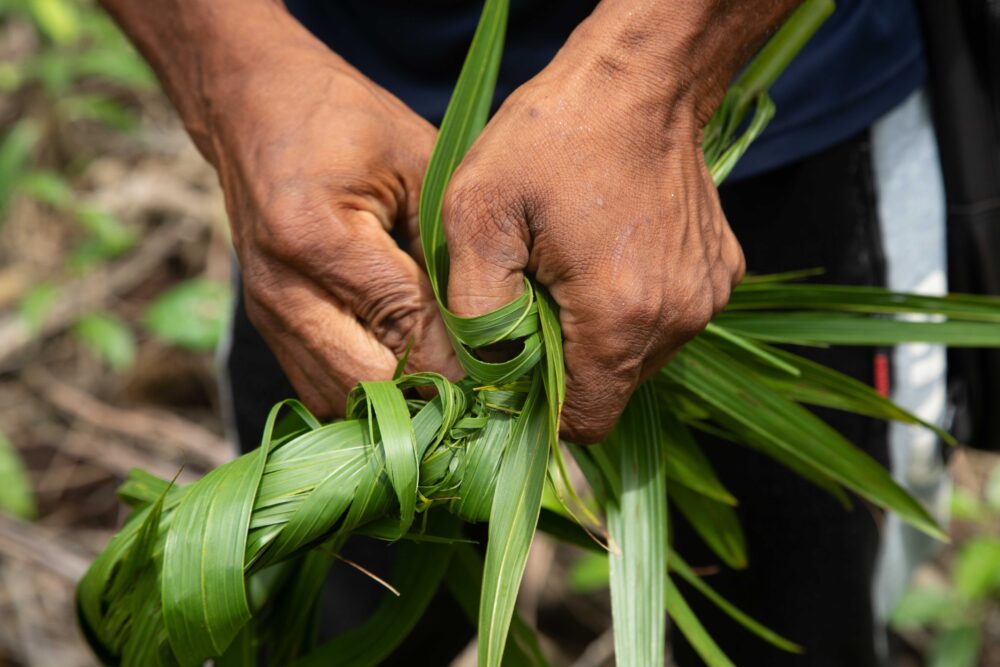
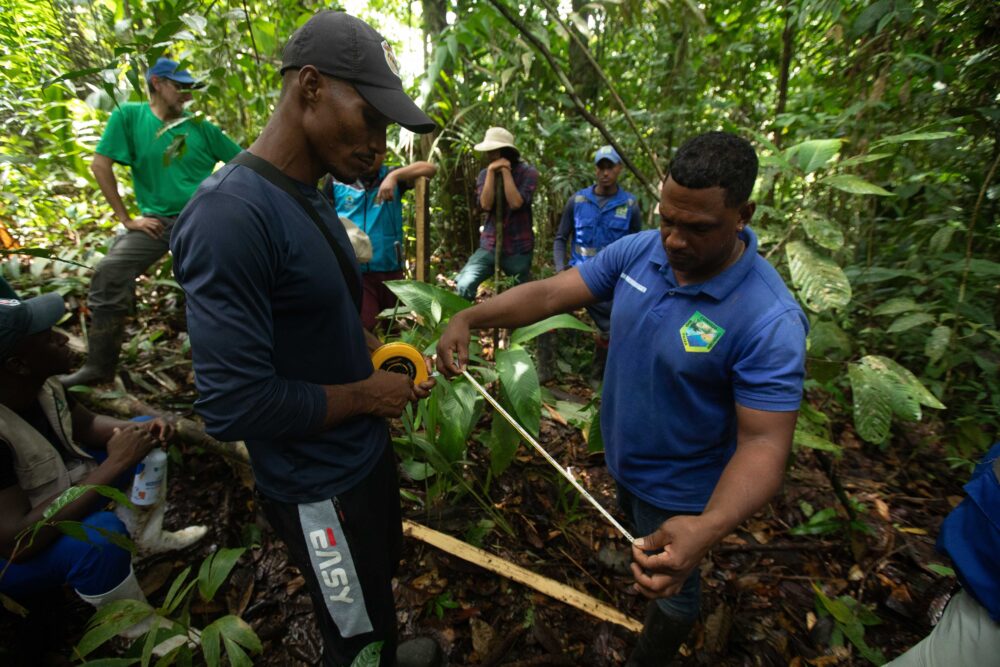
Environmental monitoring teams in Usaragá and Pilizá walk their territories collecting data, tracking forest health and supporting community stewardship of protected areas.
Environmental monitoring teams
Their work is central to understanding changes in the ecosystem and ensuring sustainable management.
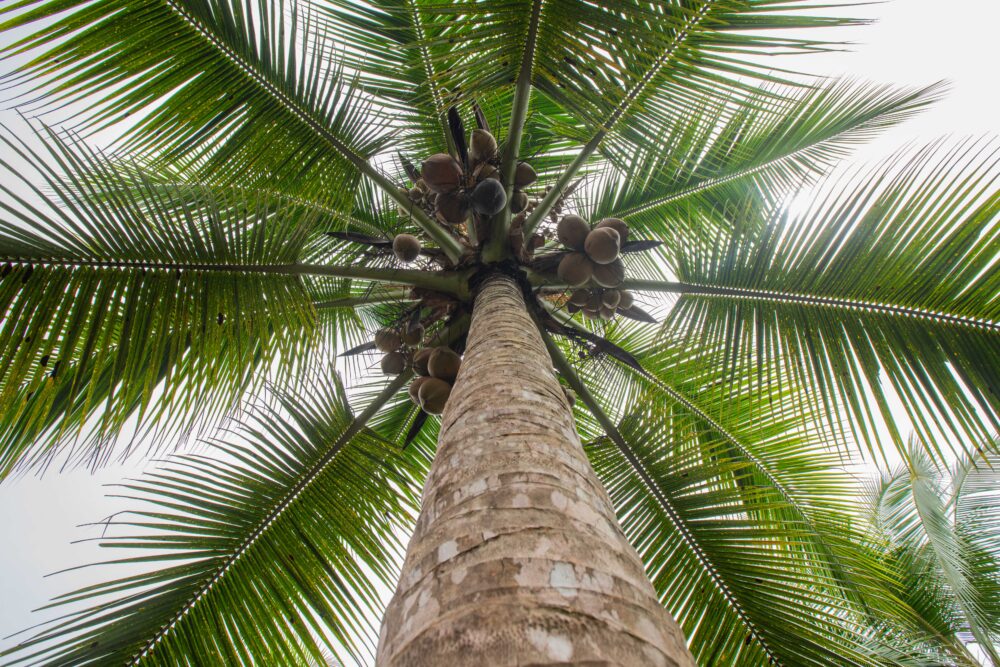
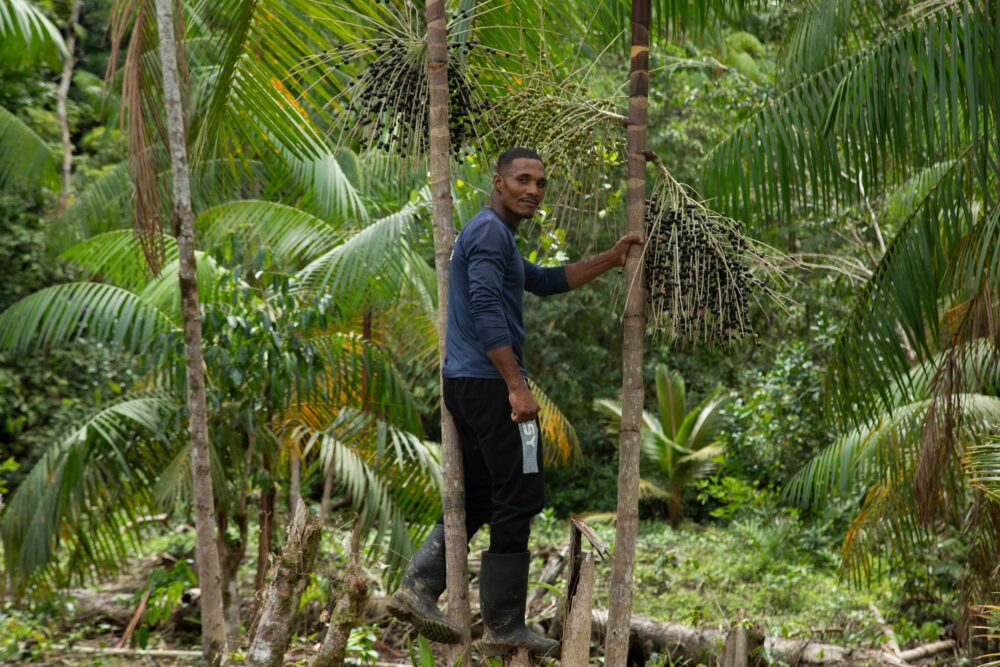
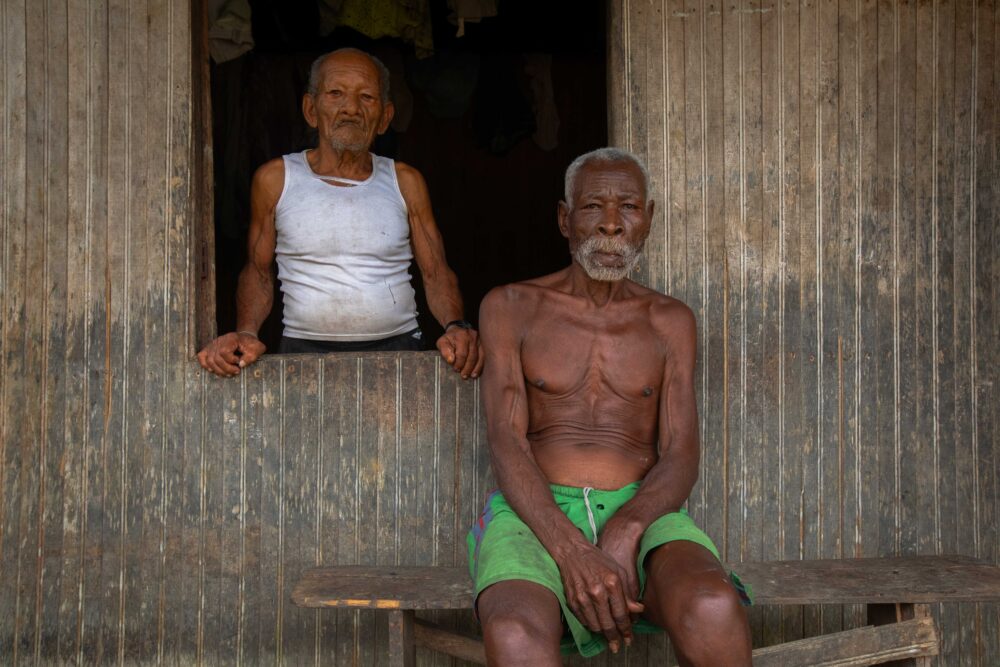
In Pilizá, local families continue the tradition of harvesting naidí (açaí) as part of their community-led sustainable production efforts.
Naidí Harvesters
These practices strengthen food security and maintain the health of their forest landscape.


Colombia
“Forest, water, governance and participation define our territory, our home.”
Colombia

“Our community work is the heart of our strength”
Northeastern Madagascar
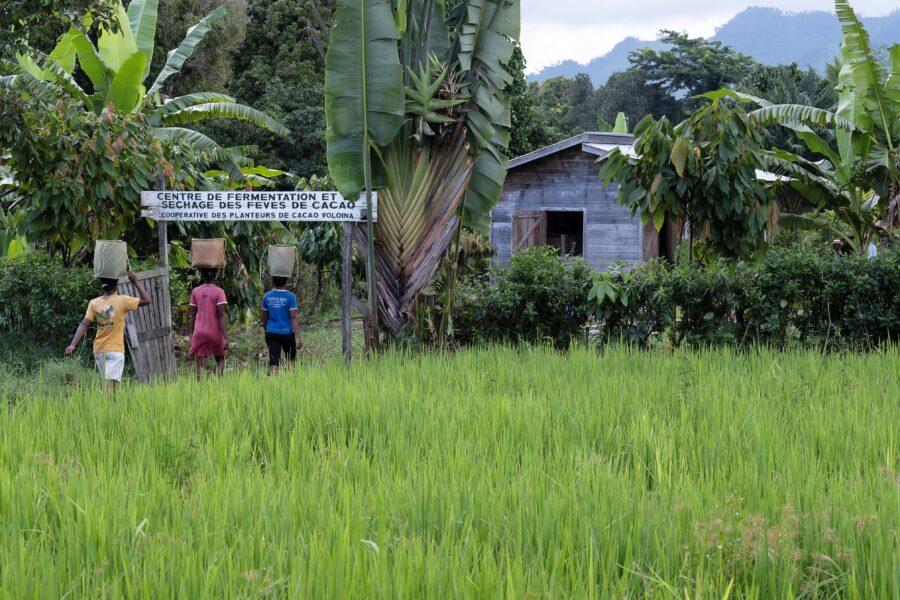
Safeguarding biodiversity through sustained protected area management and community-centered stewardship.
