Colombia
Sivirú-Usaragá-Pizarro-Pilizá (SUPP) REDD+ project
“Resources that flow directly into the heart of the communities.”
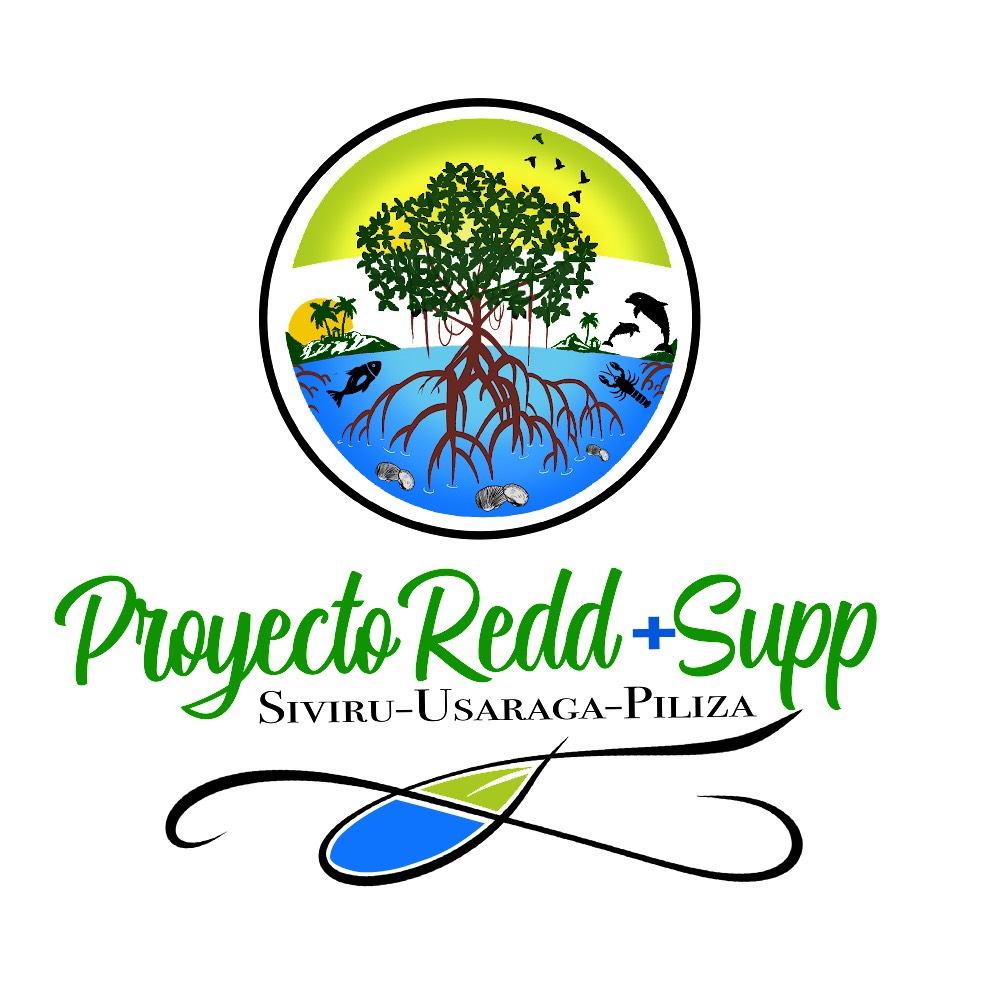




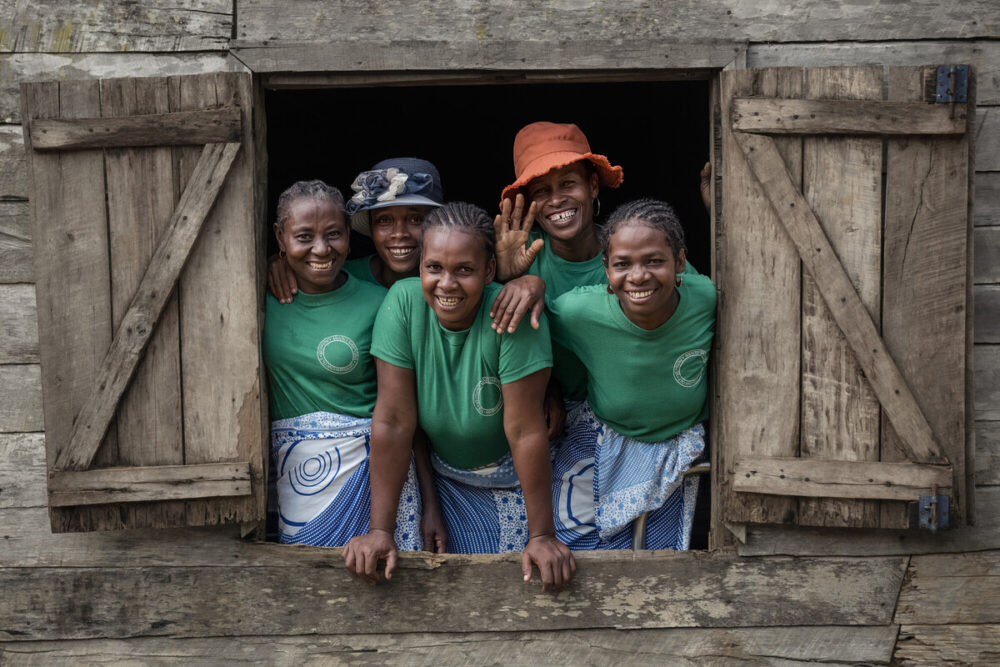
Women deliver their cacao harvest to the Cooperative des Planteurs de Cacao in Voloina, where the beans will undergo fermentation and drying. ©Zanakynylalana2025 for Everland
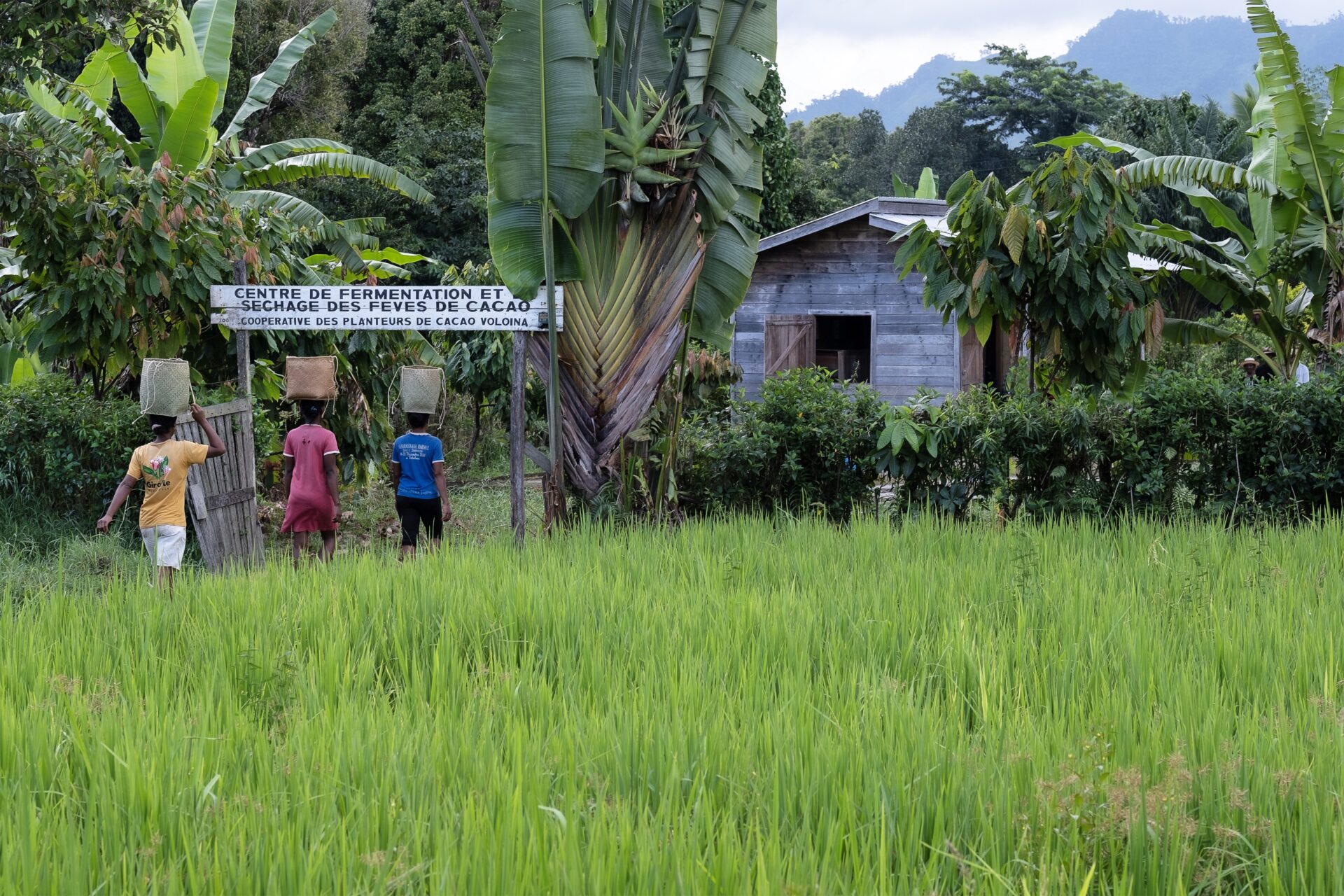
Safeguarding biodiversity through sustained protected area management and community-centered stewardship.
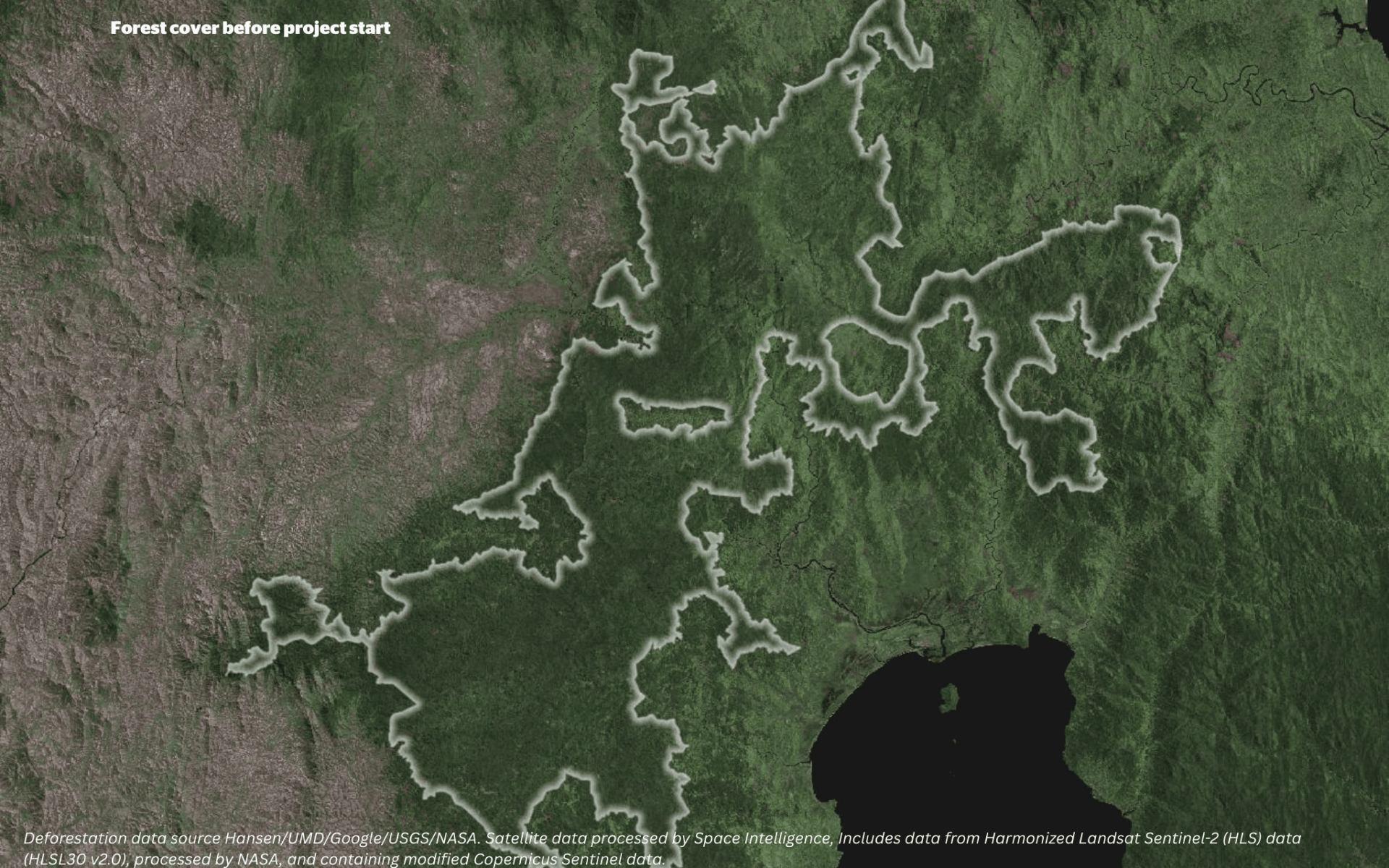
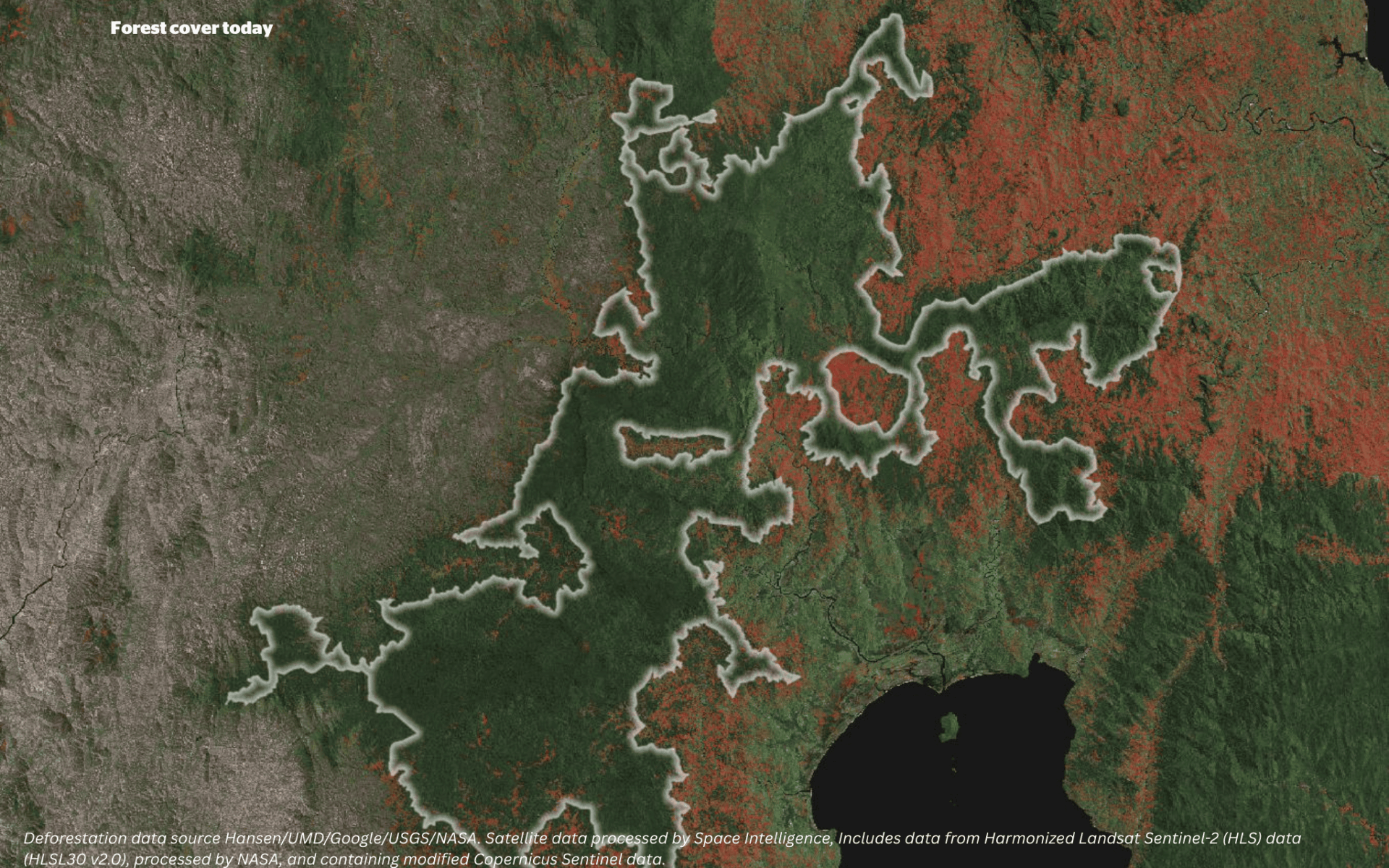

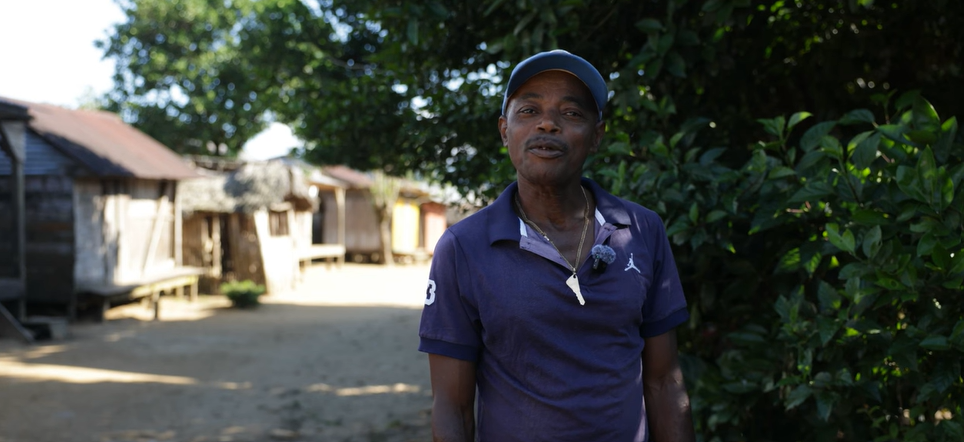
The advantages of Free, Prior and Informed Consent (FPIC) for the local community are that it helps maintain a good relationship within our COBA.”
Be Flavient
Vice-President of the COBA (Community Base) Ambodivoangy Miray + Community Patrol Agent
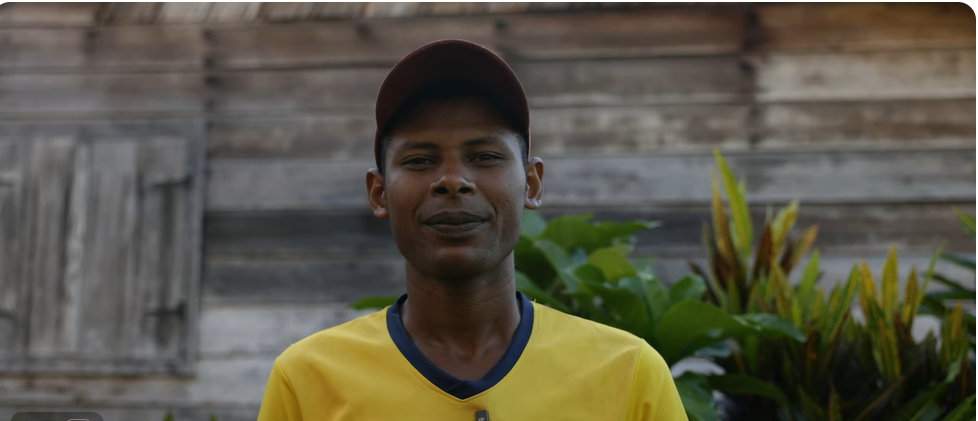
I hope our activities will continue and improve through the use of innovative tools like this one. The forest will be able to regenerate and become even more alive, especially here in Ambalarano.”
Ethelmon Zafy Bemaintiny
Community Patrol Agent
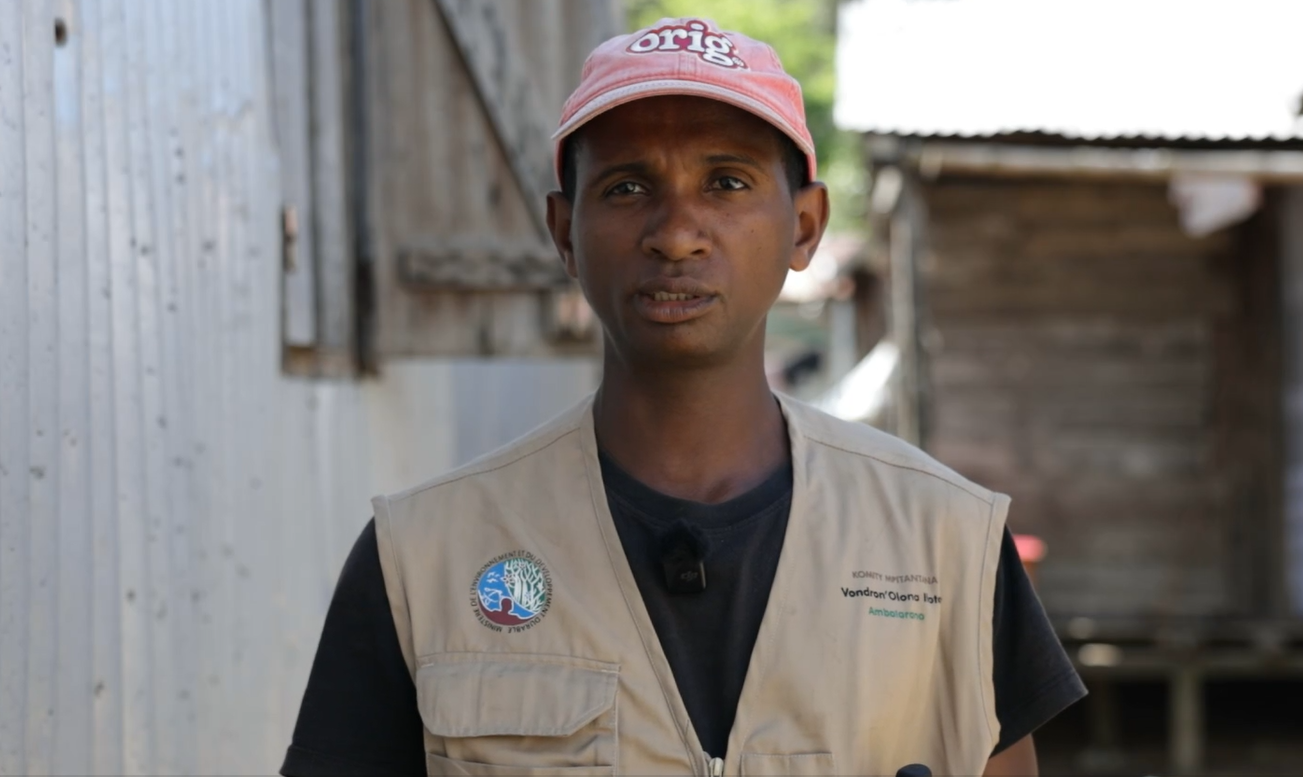
My dream for conservation is that in about ten years, my village will grow even more thanks to the support activities carried out by the COBA.”
Besidy Jean Poton
President of the VOI Ambodivoangy Miray

Colombia
“Resources that flow directly into the heart of the communities.”
Mondulkiri Province, Eastern Cambodia
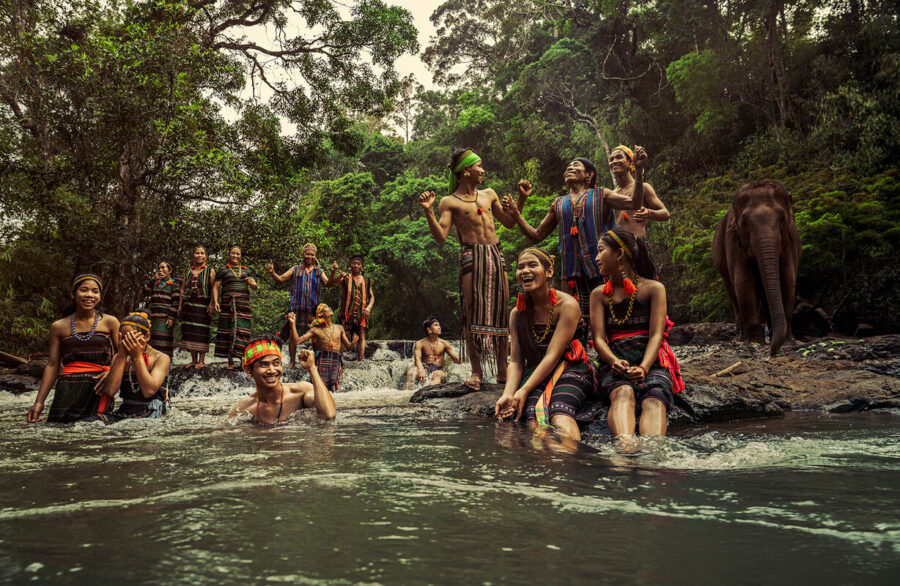
Partnering with Indigenous Bunong communities to safeguard a uniquely diverse, urgently threatened wildlife sanctuary.

Cambodia

Protecting one of the last unfragmented rainforests

Colombia
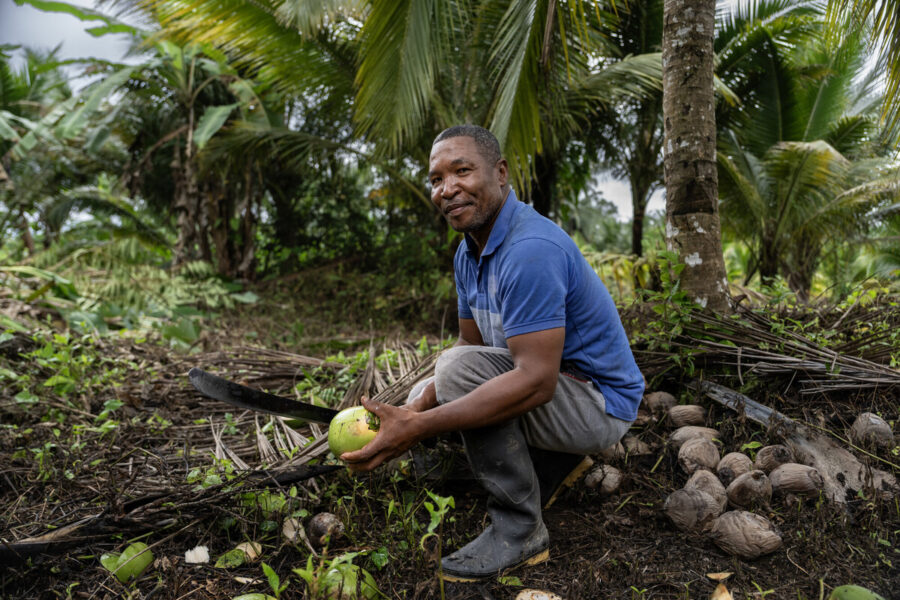
“Forest, water, governance and participation define our territory, our home.”
Colombia
“Inspired by leafcutter ants—united, steady, and strong.”
Colombia
“Our forests are small in size, but powerful for the climate and vital for our people.”